Most traders learn about leverage because of its benefits.
Very few learn about margin calls until they experience one.
Let’s understand it with a simple example.
Imagine This…
You have ₹1,00,000 in your trading account.
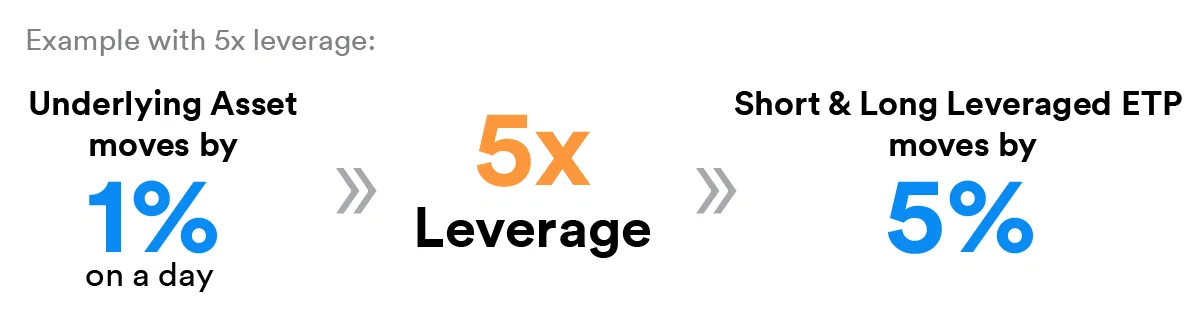
Your broker offers 5x leverage.
Instead of buying shares worth ₹1,00,000, you now control a position worth ₹5,00,000.
Sounds great, right?
Now imagine the stock falls by 5%.
A 5% fall on ₹5,00,000 means your position loses ₹25,000.
Your account balance has now dropped from ₹1,00,000 to ₹75,000.
The market didn’t crash.
The stock didn’t collapse.
It moved only 5%.
But because you were using leverage, the impact on your capital was much bigger.
Now Let’s Make It Worse…
The stock falls another 4%.
You’ve now lost another ₹20,000.
Your remaining capital is ₹55,000.
At this point, your broker starts getting concerned.
Why?
Because part of that ₹5,00,000 position was funded using borrowed money.
If your account value keeps falling, there’s a risk that the borrowed amount may not be fully covered.
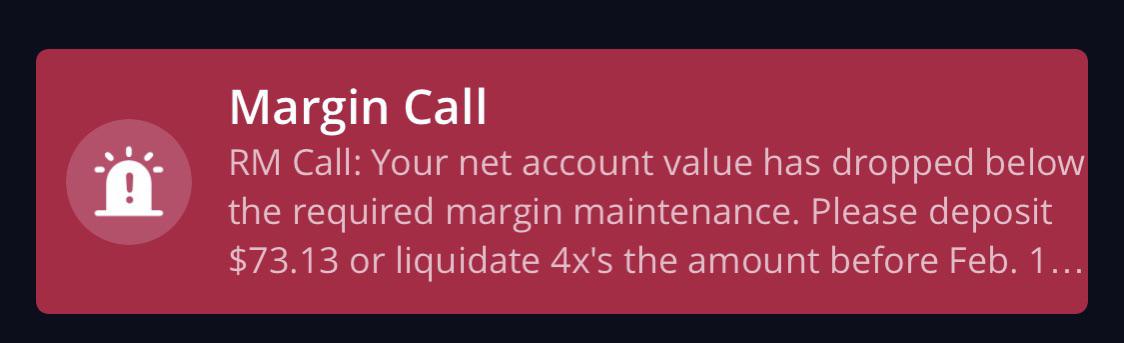
That’s when the broker may issue a Margin Call.
They’ll ask you to:
-
Add more funds to your account, or
-
Reduce your position.
If you don’t act in time, the broker may close your position automatically.
The Part That Surprises Most Traders
Here’s a real-life scenario.
Rahul buys a stock at ₹1,000 using leverage.
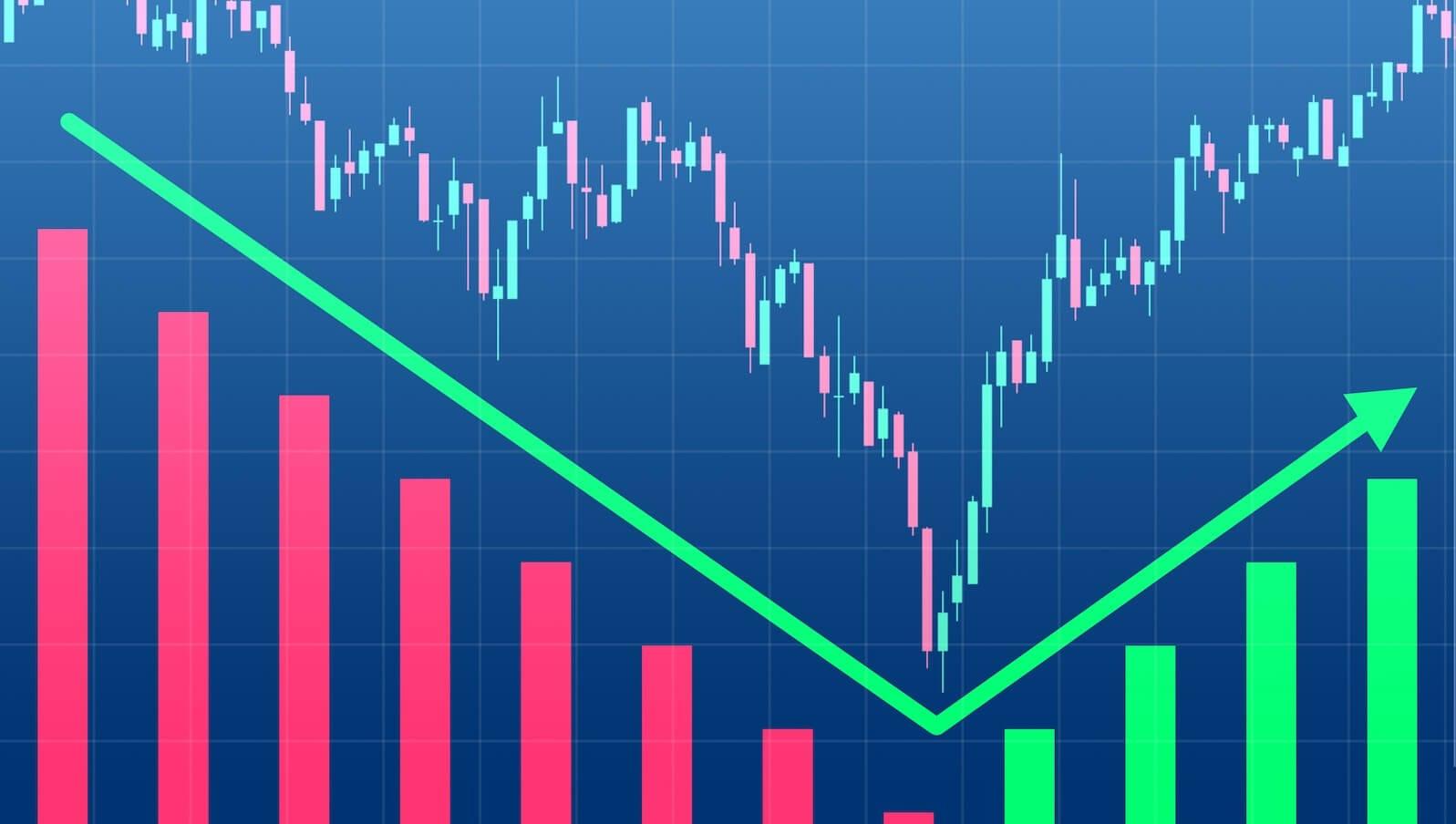
The stock falls to ₹940 over the next two days.
His account receives a margin call.
Since he can’t add more funds, the broker closes his position.
Three days later…
The same stock rises to ₹1,080.
Rahul’s market view was correct.
But he couldn’t stay in the trade long enough to benefit from it.
That’s what leverage does.
It reduces the amount of time you’re allowed to be wrong.
So, Does This Mean Leverage Is Bad?
Not at all.
Leverage is simply a financial tool.
Professional traders use it too.
The difference is how they use it.
They don’t use the maximum leverage available.
They leave room for normal market fluctuations.
They know that even the best trade ideas don’t move in a straight line.
The Lesson
Before taking any leveraged trade, ask yourself one question:
“If this trade moves against me by 5–10%, can I still stay in it without being forced out?”
If the answer is no, your position is probably too large.
Because in trading…
It’s not enough to have the right view. You also need enough staying power for that view to play out.
 Discussion
Have you ever seen a trade reverse in your favour after you had already exited it?
What lesson did that experience teach you about leverage or risk management?
This version is much more educational because it uses numbers, relatable scenarios, and a realistic trader example instead of abstract explanations. It teaches the concept while keeping the reader engaged.