Here’s a story of NSE for all the traders and algo enthusiasts,
You trade Nifty options every day. Your broker routes every order through NSE. Yet you can’t buy a single share of the exchange itself.
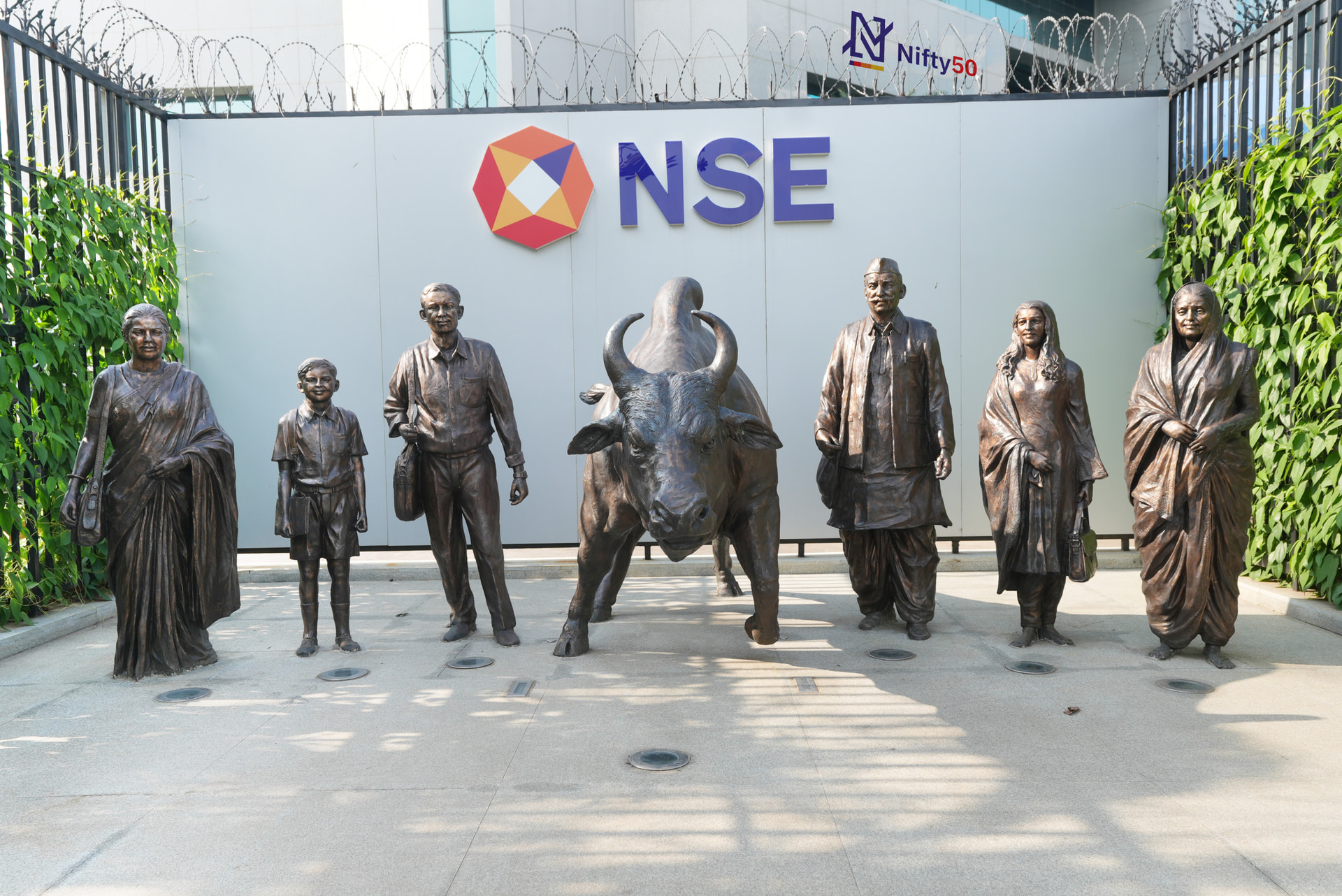
Here’s the real story.
In 1992, the Harshad Mehta scam exposed how broken India’s trading infrastructure was. Settlements took weeks. Trades happened through open outcry on regional exchanges. Foreign investors were scared to enter.
In response, leading banks and financial institutions — IDFC, ICICI, IFCI, LIC, SBI, and others built the National Stock Exchange as a demutualized, tech-first exchange. It went live in 1994 with electronic trading when most of the world still used open outcry.
The first screen-based trading system in India. The first depository-integrated settlement. The first exchange built for institutions but designed for retail scale.
Today: NSE is owned by a consortium of domestic financial institutions, not public shareholders. It’s the largest derivatives exchange in the world by contracts traded, yet it answers to its promoter banks, not retail investors.
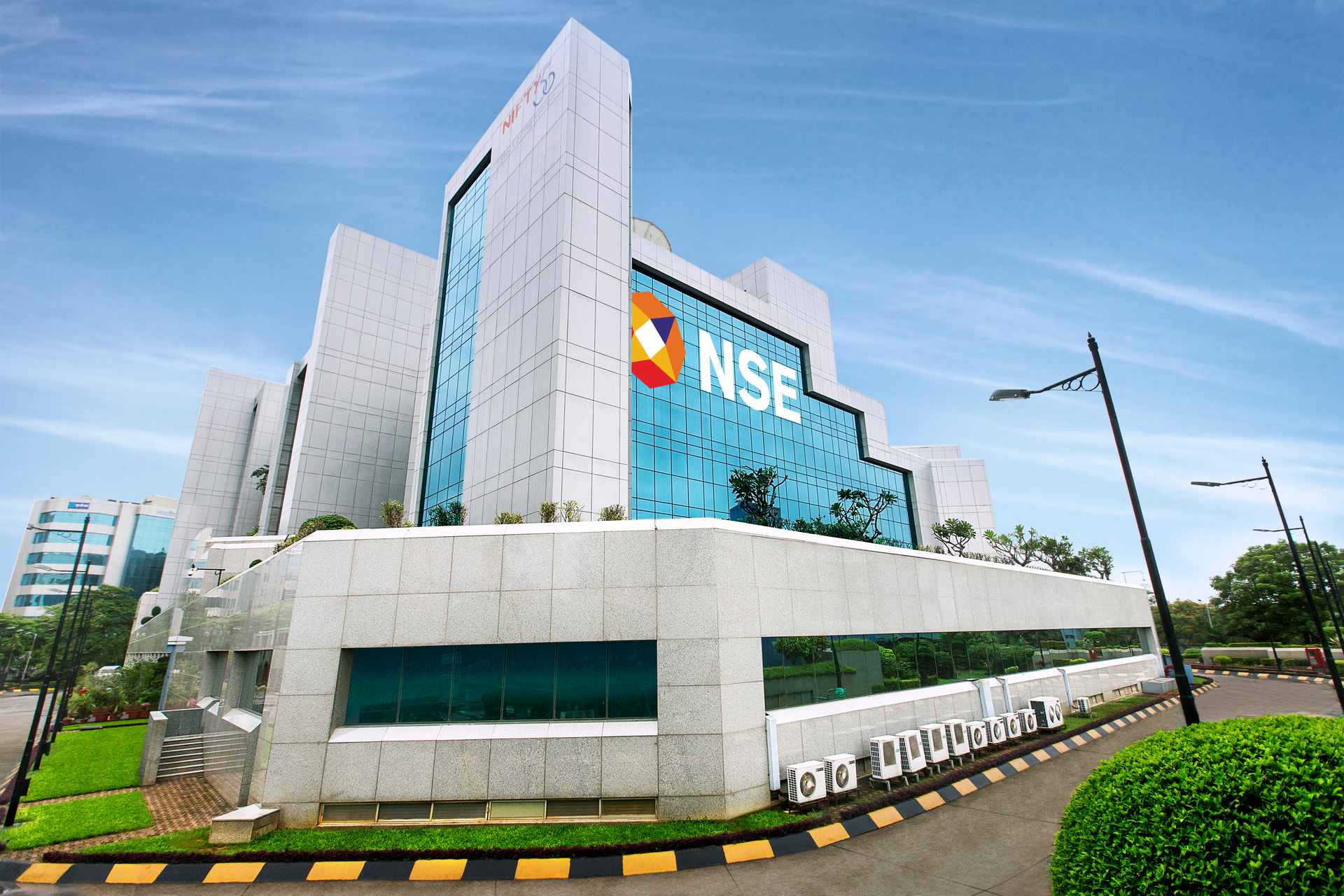
What that structure bought them:
- Technology dominance: They could invest heavily in infrastructure like the co-location system that later became controversial, but also gave them a massive latency advantage over regional exchanges.
- Index creation: They built India’s most liquid index — Nifty 50 which became the benchmark for mutual funds, ETFs, and derivatives.
- Data monopoly: Every broker, terminal, and news channel depends on NSE’s real-time data feeds. That’s a recurring revenue stream with almost zero marginal cost.
And what staying promoter-owned let them build:
- A derivatives franchise so dominant that even BSE’s equity volumes can’t touch it. NSE’s single-stock futures and index options are the most liquid in Asia.
- A data licensing arm that sells real-time feeds to every trading platform in India — from Zerodha to Upstox to your broker’s terminal.
- A company that by recent estimates does thousands of crores in annual revenue without ever having to justify product decisions to public markets.
Just one platform, built so well that India’s entire retail trading ecosystem organized itself around it. And the only way to “own” a piece of it is to be one of the promoter institutions.
Here’s where it gets interesting for us.
You can’t buy NSE. But you can buy CDSL, BSE, or even broker stocks like ICICI Securities — all pitched as “exchange plays.”
But competitor doesn’t mean substitute.
- CDSL’s real business is demat account infrastructure, not order flow. Every time you hold shares in demat form, CDSL earns a small annuity. That’s a different engine from NSE’s transaction-based revenues.
- BSE has equity listings but a fraction of NSE’s derivatives liquidity. Their Sensex is iconic, but their options volumes are single-digit percentages of NSE’s.
- Broker stocks are tied to retail participation cycles, not exchange toll revenues. When volumes drop, brokers feel it first. Exchanges feel it later — and they still earn from data licensing.
So an investor buying CDSL for “NSE exposure” is actually buying a depository annuity business with a completely different engine. Not wrong to own, just the wrong reason.
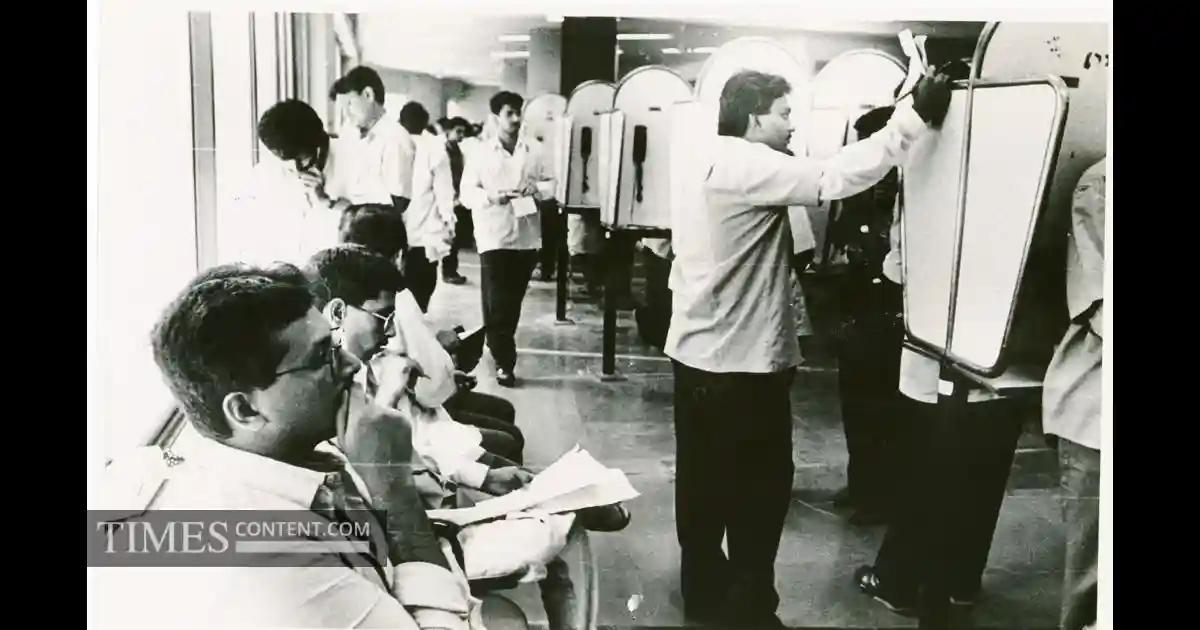
Did You Know?
One of the biggest reasons millions of Indians can trade today is because NSE introduced India’s first fully electronic, screen-based trading system in 1994. This replaced the traditional open-outcry trading floors, making the market faster, more transparent, and accessible to investors across the country.
Discussion Time:
If NSE had never introduced electronic trading, do you think the Indian stock market would have grown as rapidly as it has today? Why or why not?