
Another Industry Change. Another Business Impact.
You must have recently read about how a structural change in an industry can completely change the economics of companies operating in it.
Remember the UPI MDR changes? A seemingly small change in the way UPI transactions are charged had the potential to create a new revenue stream for some players while changing the economics for others.
If you missed it, read our earlier piece here: How can a small change in UPI create a Significant EBITDA jump?
Now, a similar story is unfolding in another industry, Insurance.
This time, the change is coming from IRDAI, and the companies affected aren’t just insurance companies.
What caused it?
On September 23, the Insurance Regulatory and Development Authority of India (IRDAI) released a two-part consultation paper titled “Recalibrating Economics of Insurance Distribution.” The proposals seek to change commissions, distribution costs, expense limits, disclosure requirements and the way insurance is sold.
So, what did IRDAI propose?
IRDAI is India’s insurance regulator. Its job is not simply to regulate insurance companies, but also to ensure that insurance markets remain financially sound, transparent and fair to policyholders.
The proposals include tighter limits on insurers’ expenses, a new commission framework, greater transparency around commissions and stronger safeguards against mis-selling and digital “dark patterns.” These are proposals at this stage, with stakeholder comments invited until October 25.
But to understand why this matters to companies, we first need to understand how the insurance money actually moves.
The Insurance Chain: Where Does Your Premium Go?
When you pay for insurance, the money doesn’t simply go from you to insurer. There is a chain:
Customer → Distributor → Insurer → Reinsurer → Claims/Service Providers
The distributor brings you the policy and earns a commission. The insurer takes the risk, invests the funds and pays claims. The reinsurer takes a portion of the insurer’s risk. And hospitals, garages, TPAs and other service providers become part of the ecosystem when a claim arises.
This distinction is important because the same regulation can be a cost for one company and revenue pressure for another.
This creates an interesting equation.
Lower distribution costs = potentially better economics for insurers
But at the same time: Lower commissions = potentially lower revenue for distributors
This is why a company like PB Fintech can react very differently from an insurance company to the same regulation.
Data as on 25th September,2026
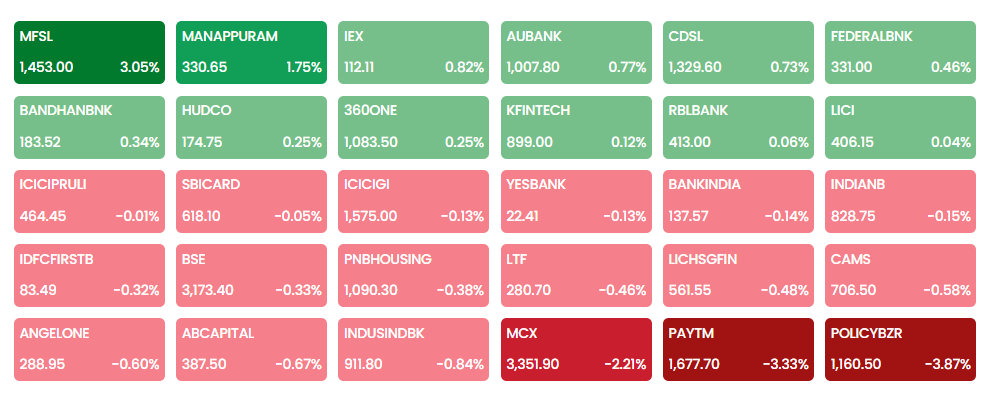
For digital insurance platforms and brokers, the key question becomes: How much revenue will they earn from every policy they sell?
For insurers, the questions are different: Will lower distribution costs improve profitability? And could lower incentives affect policy sales and premium growth?
The Companies Worth Watching
If you’re trying to understand the impact of this regulation, don’t just look at insurance companies. Keep an eye on the distribution layer as well.
Major insurance distributors / distribution channels
Individual agents: LIC and traditional life insurance
Banks/Bancassurance: HDFC Bank, SBI, ICICI Bank, Axis Bank, Kotak Mahindra Bank, Bank of Baroda, etc.
Brokers/platforms: Policybazaar, Turtlemint, InsuranceDekho, Coverfox, etc.
One Important Caveat
There is one thing investors should keep in mind before drawing conclusions from the recent stock-market reaction. IRDAI’s document is a consultation paper, it is not the final regulation.
The regulator has invited feedback from stakeholders, after which the proposals can be modified before the final framework is implemented.
That makes the next few months important.
Because sometimes, the biggest impact of a regulatory change isn’t what the regulation says it’s how the economics of an entire industry change because of it.