Why is having a Wealth Manager important?

Over the years of building Stratzy, we’ve realized something important.

Most people don’t need more trading options.

They need more clarity.

Because the hard part isn’t finding strategies. It’s knowing which strategies are right for you.

What are you actually trading for? How much risk are you comfortable taking? How much capital should you allocate? What should you do when markets get volatile? And is your portfolio truly aligned with your goals, or have you simply picked a few strategies and hoped for the best?

These aren’t always easy questions to answer on your own.

And honestly, they shouldn’t have to be.

That’s why we introduced Wealth Managers at Stratzy.

Not to tell you what to do. Not to make decisions on your behalf.

But to help you think through them.

A good Wealth Manager takes the time to understand your goals, risk appetite, experience level, and expectations from the market. Based on that, they can help you build a more suitable algo portfolio, identify gaps, and suggest changes when needed.

Most importantly, they do this with you.

Every decision remains yours. Every change happens only with our approval.

But beyond portfolio recommendations, we believe the real value lies elsewhere.

It’s knowing that when you’re confused, uncertain, or simply need a second opinion, there’s someone you can talk to.

Someone who understands how the algos work.
Someone who understands your portfolio.
And someone who genuinely wants to help you make better decisions.

Markets will always be unpredictable. There will be good months and difficult ones.

Having a trusted person by your side doesn’t remove the uncertainty - but it can make the journey a lot less overwhelming.

If you’ve never spoken to a Wealth Manager before, do give it a try.

You might be surprised by how valuable a simple conversation can be :hugs:

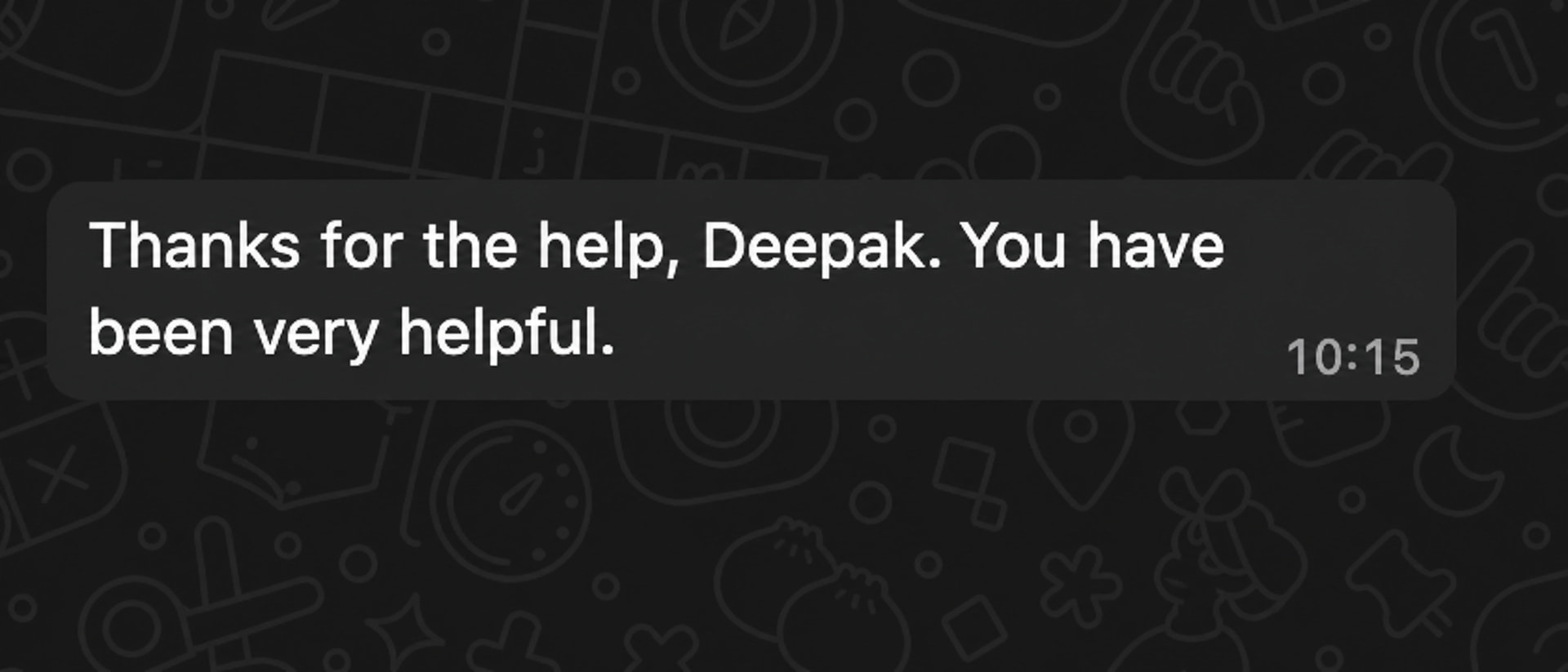
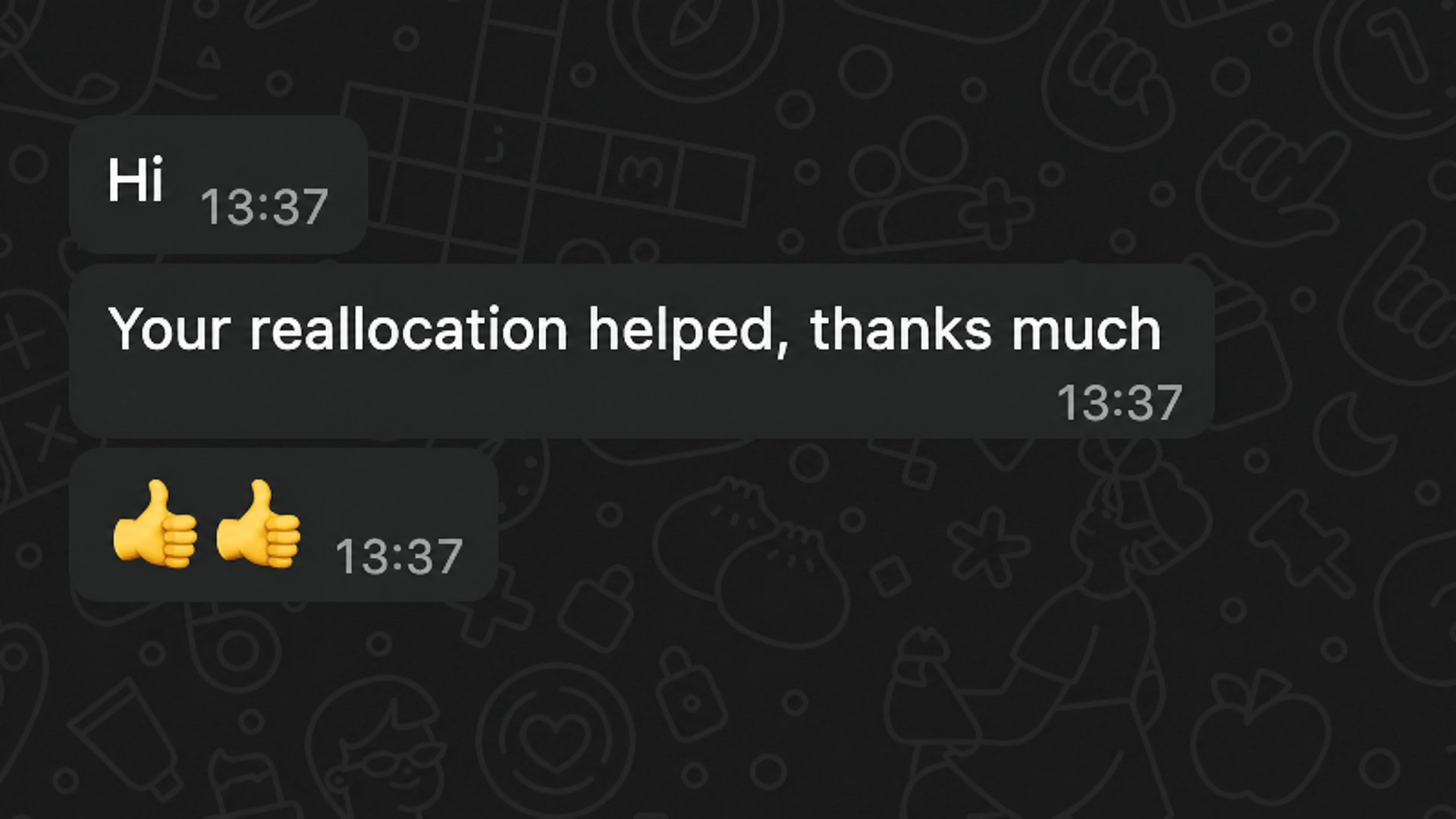
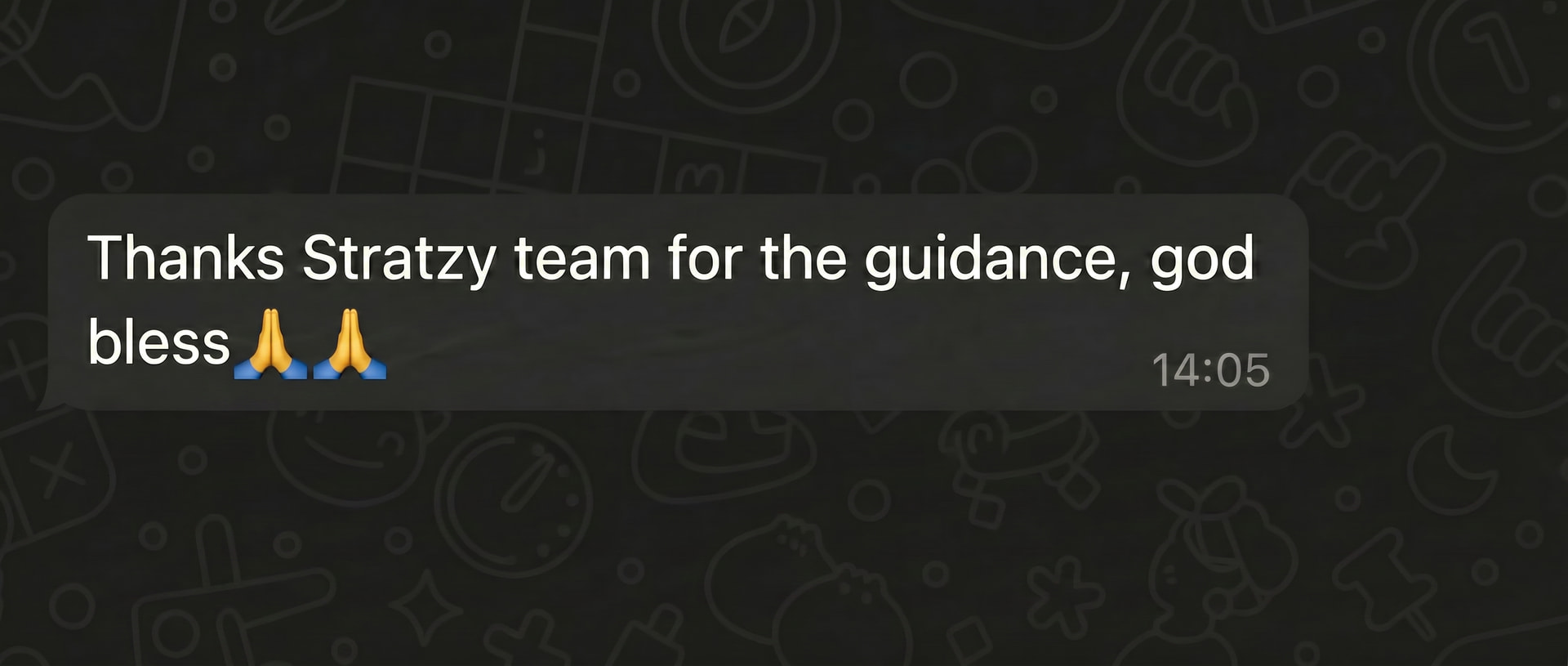
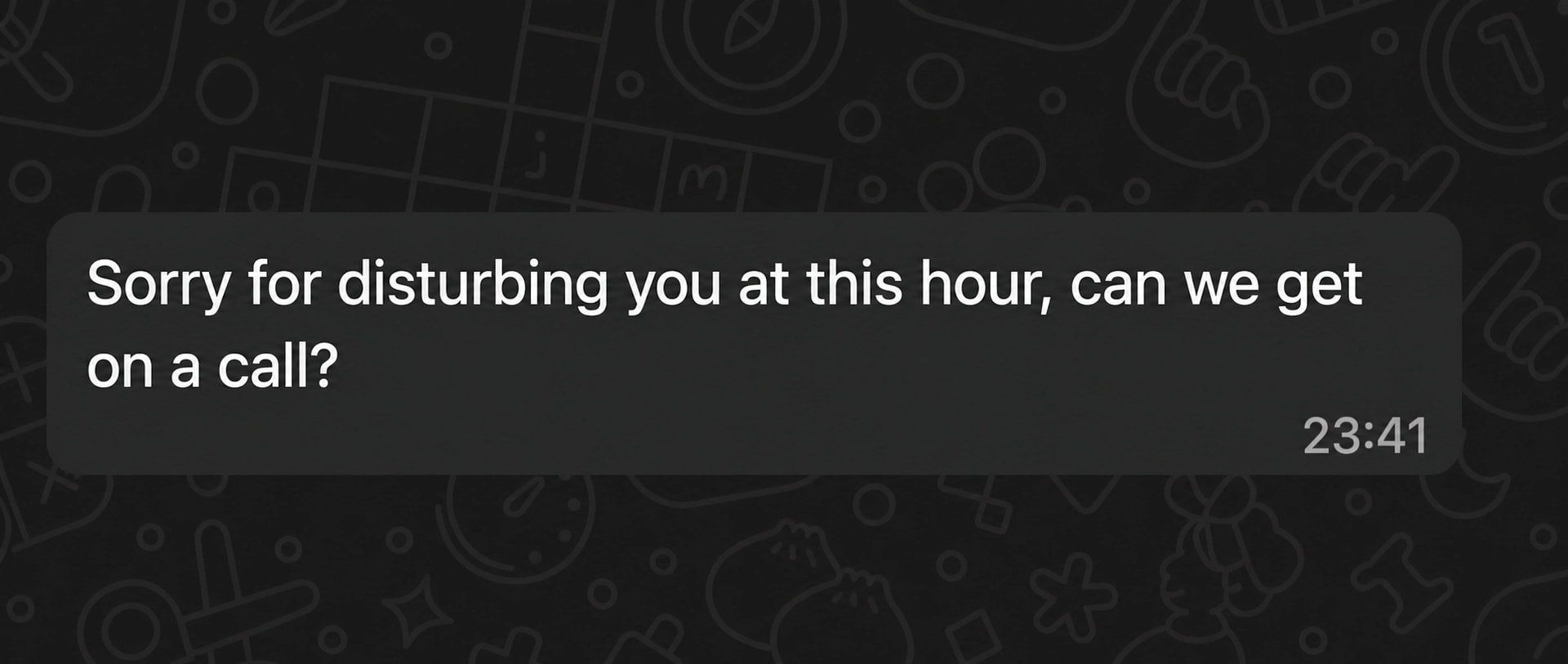
PS: Attaching a few screenshots of some of ours users’ experience with our Wealth Managers
3 Likes

It’s great to discuss this here. many people find it difficult to express their financial goals, concerns, and emotions as clearly in English as they can in their mother tongue.
I have a few questions regarding wealth management:

  1. Are there wealth managers who can communicate in regional languages like telugu
  2. Does a wealth manager actively monitor a client’s portfolio, or do they review it only when requested
    3.How many portfolios does a typical wealth manager handle, and how do they keep track of each client’s unique goals and circumstances
    4.Do wealth managers provide advice only when clients seek it, or do they proactively reach out based on market conditions and portfolio needs
    5.What are their usual working hours in week days and weekends
    6.If an investor is comfortable delegating complete authority, can a wealth manager take over portfolio management and make timely investment decisions on the investor’s behalf
1 Like

Thank you for these thoughtful questions, @MAHESWARA_REDDY — and you’ve raised a really important point about language. Financial conversations do feel different in your mother tongue, and that’s completely valid. Let me be honest and direct with each answer.

  1. Regional languages — Currently we don’t have Telugu-speaking wealth managers. We’re a small, lean team right now, so language coverage is limited. We do communicate via chat and email primarily, so written conversations in English work best at this stage. We’ll keep this feedback in mind as we grow the team.

  2. Active monitoring — To be transparent, our wealth managers don’t actively track portfolios on an ongoing basis. They step in when you reach out — for recommendations, choosing the right algos, or navigating the app and its features.

  3. Portfolio load — Since this isn’t an ongoing active monitoring model, it’s less about a fixed number of portfolios per manager and more about being responsive when you need guidance.

  4. Proactive vs reactive — Mostly reactive at this point — they respond when you reach out rather than proactively monitoring market conditions across all client portfolios. The core objective is to help you navigate the app and its features to make optimal decisions, especially since options trading can be genuinely complex for beginners.

  5. Working hours — Primarily through chat and email, so it’s not strictly tied to market hours — you can reach out and expect a response, though it may not be instant on weekends.

  6. Delegating authority — No, this isn’t something we offer. As a SEBI-registered Research Analyst, we provide guidance and help with decision-making, but execution and final decisions always remain with you.

One honest note — this wealth manager support has actually been available since we started, we just haven’t spoken about it much. We see it less as a feature to market and more as something people should be aware of — especially for those who find navigating options trading difficult on their own. If there’s ever a communication gap, please flag it to us directly so we can fix it. :folded_hands:

3 Likes

Thank you very much for taking the time to answer all our queries. Your responses are essential in building trust, and they make us feel that we are associated with the right people.
To be completely honest, I have incurred losses while using the Statzy app as well. However, I believe those losses were mainly due to my own decisions. At times, I exited trades prematurely based on my judgment, and on some occasions, I increased the quantity beyond what I should have. So, I take responsibility for those outcomes rather than attributing them to the platform. At that phase if reached to WM it may helps me..

2 Likes